The Problem
That's why your logistics program feels broken.
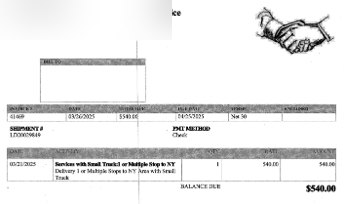
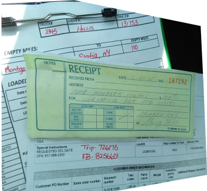
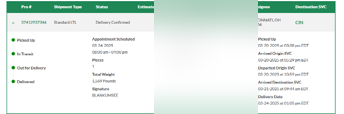
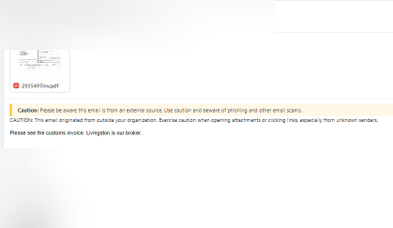
Every day, your supply chain generates massive volumes of data across emails, PDFs, carrier websites, load boards, invoices, tracking updates, and appointment confirmations. None of it talks to each other.
Your rates live in three spreadsheets. Your carrier exists in four systems with four different MC number formats. "On-time" means something different to your warehouse, your customer, and your ops team. And your TMS reports assume a world where everything was entered correctly the first time.
The result: manual processing, invoice disputes, delayed shipments, and an inability to drive real cost savings across one of your largest line items. Your team spends more time reconciling data than acting on it.
You don't have a data problem. You have a systems problem. And it's costing you.
The Reframe
Most shippers have been told they need to "get their data house in order" before they can benefit from AI or advanced analytics. That framing is backwards.
The goal is not to clean everything up front. The goal is to make better freight decisions in the presence of the mess you actually operate in.
Your best operators already do this intuitively. They triangulate: check the rate against the market, compare the invoice to what was tendered, validate the tracking milestone against the BOL. They build confidence through cross-reference, not blind trust.
We built technology that works the same way.
FreightPlus One
Built by operators. Powered by AI. Owned by us. Not a vendor's platform with our logo on it.
FreightPlus One is the technology backbone behind every shipment we manage. It takes unstructured logistics data from dozens of sources, standardizes it, structures it, and turns it into decisions, automatically.
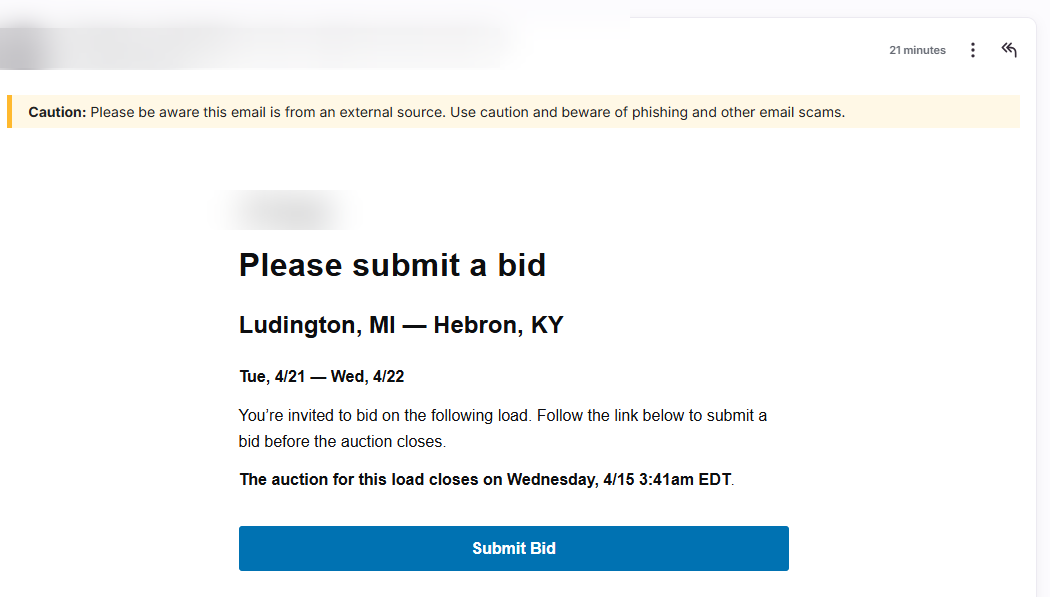
We employ automated extraction (API, EDI, OCR, Agentic AI) to classify, cleanse, and enrich your freight data. We then transact on that data to deliver cost savings, superior service, and better insights. Our goal is to vertically integrate your transportation data from order to cash.
Real-time market intelligence. Know whether your rates are competitive before you tender, not after.
Automated qualification. Every carrier in your network is vetted, scored, and monitored continuously.
End-to-end visibility with automated exception management and proactive intervention for at-risk loads.
Automated freight bill audit. Catch discrepancies before they become disputes.
FreightPlus Insights, our custom BI platform. Your shipment metrics and KPIs, in real time.
Centralized communication. Every email, every update, every escalation in one place. No more hunting through inboxes.
Shipment-level optimization and dock scheduling. Move more freight with less waste.
Outcomes
Before FreightPlus, capturing and analyzing our shipment data took ages. Once we partnered with FreightPlus, that information became readily available. Then they built the BI tool and put it at my fingertips in real time. All of my shipment metrics and KPIs are updated and available, always.
The Bottom Line
You've outgrown your program. You need a partner that thinks like an operator, builds like a tech company, and scales with you.
FreightPlus One isn't a dashboard bolted onto a legacy provider. It's the reason we can deliver managed transportation that gets measurably better every quarter, for companies that are growing and need their logistics to keep up.
Frequently Asked
What logistics and IT leaders most often want to know about FreightPlus One.
FreightPlus One is our proprietary AI-powered freight control tower. It unifies pricing, procurement, tracking, exception management, invoice audit, and analytics in a single platform. Middle-market shippers use it as a TMS replacement or alongside their existing enterprise TMS. Access is included with managed transportation engagements at no additional license cost.
No. A TMS is software that a shipper licenses and operates in-house. FreightPlus One is an operator-managed platform. You get the software plus the team that runs it: carrier sourcing, tendering, track-and-trace, claims handling, and analytics. Software without operators is a cost center, not a solution.
AI-native means the platform uses machine learning for carrier matching, rate prediction, transit time estimation, exception detection, and automated invoice audit. Not rules-based automation. Not a chatbot wrapper. Real predictions from real data: 10,000+ loads per month feeding the models, $300M+ in historical freight transactions, 10K+ carrier performance records. AI decisions always surface with operator review for accountability.
Standard integrations include EDI 204/214/210 for tender, tracking, and invoice exchange; REST APIs for custom workflows; and direct connectors to major enterprise TMS platforms (Oracle, SAP, Blue Yonder, MercuryGate). On the carrier side we integrate with Highway for onboarding and rate confirmation security (Load Lock + Load Lock+), and with Macropoint, Project44, and Samsara for tracking and visibility. Integration setup typically takes 1–2 weeks with your IT team.
Real-time shipment tracking via ELD and GPS through Macropoint, Project44, and Samsara integrations; proactive exception alerts (delays, detention, reroute); automated check calls; and a dashboard showing every active load. Historical analytics cover carrier performance, lane trends, spend by mode, accessorial patterns, and month-over-month KPI tracking. All data is exportable.
Yes. We use enterprise-grade cloud infrastructure with encrypted data in transit and at rest, role-based access controls, and signed data processing agreements on request. Shipper data is never sold, shared with competitors, or used for advertising.
Yes. Book a 30-minute live demo with our team. We walk through the platform using anonymized real freight data from a similar-size shipper in your industry. No sales pressure; most demos are product-forward, not pitch-forward.
Platform access is included with managed transportation engagements at no separate license cost. We do not sell the software standalone. Pricing for the overall program is structured as a managed services fee typically tied to spend under management or savings achieved, depending on engagement structure.